The Interplay Between Regulatory Shifts and Payment Security Protocols in British Mobile Wagering Platforms
Written by Leon Reed · Aug 18, 2026
The Interplay Between Regulatory Shifts and Payment Security Protocols in British Mobile Wagering Platforms
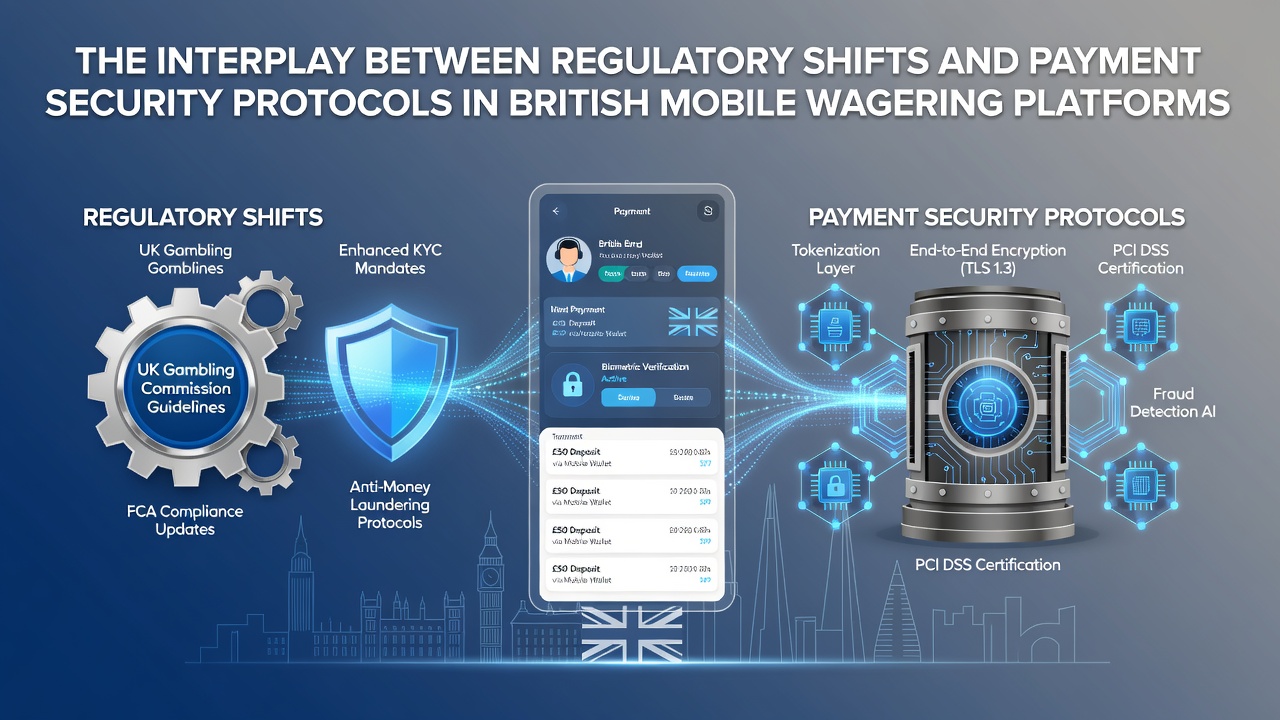
British mobile wagering platforms operate under layers of financial regulations that directly shape how operators handle user funds and transaction data, and these rules continue to evolve alongside technological standards for security. Payment security protocols such as tokenization and multi-factor authentication have become standard responses to directives that emphasize consumer protection and fraud prevention across digital financial services.
Regulatory frameworks originating from European Union directives on payment services have influenced British practices even after Brexit, while domestic bodies adapt similar principles to local market conditions. Observers note that changes in anti-money laundering requirements often trigger updates to verification processes within wagering apps, requiring real-time checks that integrate with banking APIs and identity databases.
Key Regulatory Developments Affecting Mobile Platforms
Legislative adjustments in data protection and electronic payments create ripple effects that force operators to revise their security architectures regularly. The Payment Services Directive 2 established stronger customer authentication rules that British platforms adopted through equivalent standards, leading to widespread implementation of dynamic linking for transactions above certain thresholds.
Research from the European Central Bank highlights how these authentication mandates reduced unauthorized access incidents in digital payment environments across multiple jurisdictions. British operators responded by embedding similar controls into their mobile applications, combining device fingerprinting with behavioral analytics to monitor session activity.
Security Protocol Adaptations in Practice
Mobile wagering systems now routinely employ end-to-end encryption for all financial communications, a measure accelerated by compliance deadlines tied to international standards on data integrity. Tokenization replaces sensitive card details with unique identifiers that hold no standalone value, limiting exposure if databases face breaches.
Studies conducted by academic institutions such as those affiliated with Canadian research centers on fintech security demonstrate that platforms using combined biometric and cryptographic methods experience lower rates of account takeover attempts. British developers have incorporated these findings into app updates, ensuring compatibility with evolving smartphone hardware capabilities.
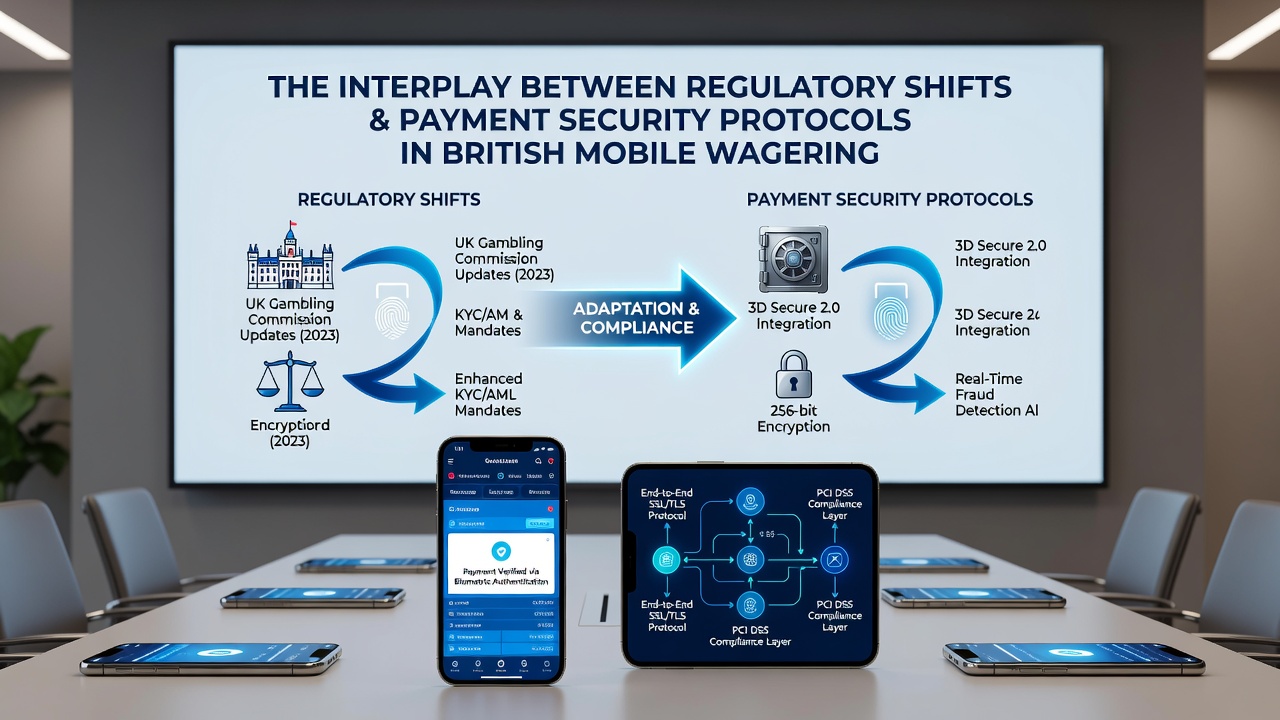
August 2026 marks a period when several harmonized reporting requirements from cross-border financial oversight groups take fuller effect, prompting additional layers of transaction monitoring within wagering ecosystems. Operators prepare by enhancing their fraud detection algorithms to flag patterns that align with both regulatory reporting formats and internal risk models.
Interconnections Between Compliance and Technology
Each regulatory update typically includes specific benchmarks for payment processing speed and verification accuracy, which in turn dictate the technical specifications of security tools deployed on mobile devices. Platforms that fail to align their protocols with these benchmarks face operational restrictions, creating direct incentives for continuous investment in updated systems.
Data compiled by the US Federal Trade Commission on digital transaction security shows measurable declines in certain fraud categories following the rollout of stronger authentication rules in comparable markets. British entities reference such international benchmarks when calibrating their own defenses against emerging threats like SIM swapping and credential stuffing.
Industry reports indicate that smaller operators sometimes partner with specialized payment processors to meet these technical demands without building entire infrastructures internally. This approach allows them to leverage established compliance frameworks while focusing resources on user interface improvements and game variety.
Case Examples from the Sector
One documented instance involved a major platform adjusting its withdrawal verification flow after new guidance on source-of-funds checks emerged, integrating automated document scanning that complies with data minimization principles. The change reduced manual review times while maintaining audit trails required by oversight bodies.
Another example centers on the adoption of real-time risk scoring engines that draw from multiple data sources, including device location and transaction history, to assign trust levels before authorizing payments. These engines evolved directly from requirements to prevent misuse of accounts for illicit transfers.
Conclusion
The relationship between regulatory shifts and payment security protocols in British mobile wagering remains dynamic, with each new compliance obligation prompting measurable advancements in encryption, authentication, and monitoring technologies. Platforms continue to refine these elements to satisfy overlapping demands from financial regulators and data protection authorities, resulting in increasingly sophisticated systems that prioritize both operational continuity and user fund protection.