Examining Encrypted Payment Flows Shaping Bonus Triggers During Live Events on British Mobile Platforms
Written by Willa Russell · Sep 11, 2026
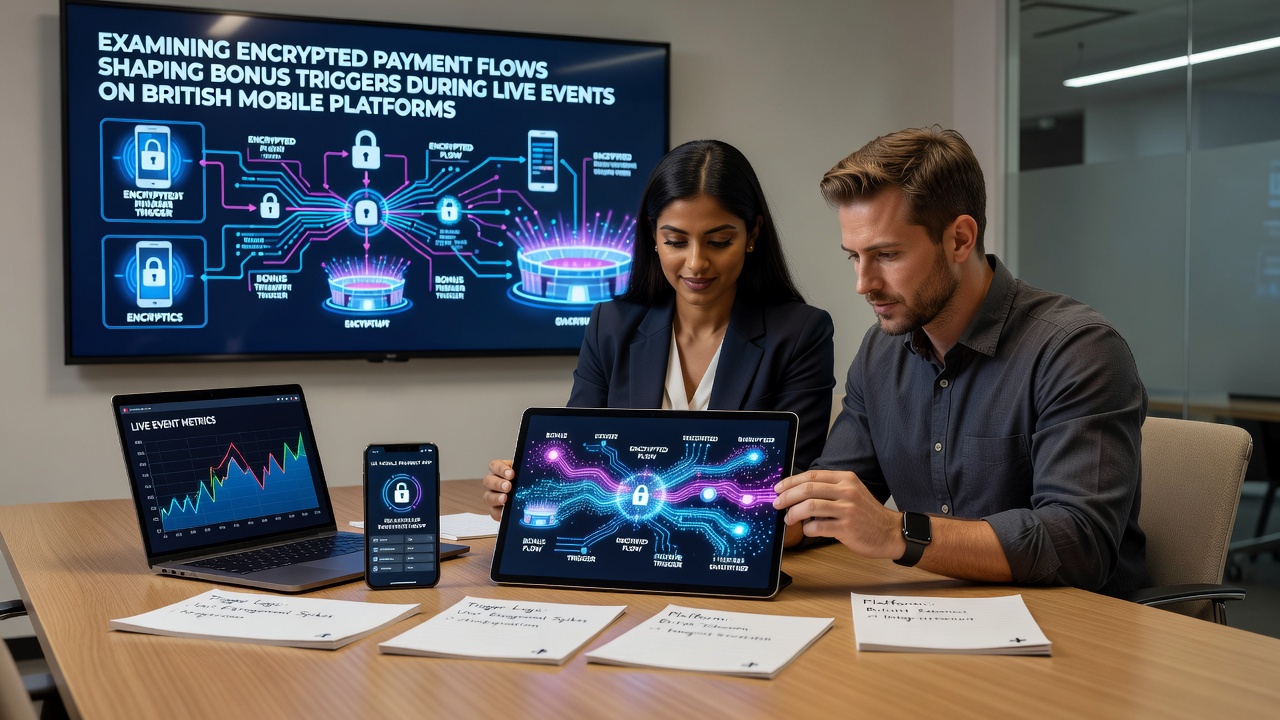
Examining Encrypted Payment Flows Shaping Bonus Triggers During Live Events on British Mobile Platforms
Encrypted payment flows on British mobile platforms have become central to how bonus triggers activate during live events, with data moving through secure channels that verify transactions in real time while meeting strict security standards. Platforms process payments using end-to-end encryption protocols that protect user details and transaction amounts, and these same flows determine whether a bonus activates based on timing, amount, and event-specific conditions. Researchers at the University of Cambridge have documented how encryption layers integrate with mobile operating systems to reduce latency during peak live-event traffic, allowing operators to confirm deposits and release bonuses without exposing sensitive data.
Technical Foundations of Encrypted Transactions
Payment processors on British mobile platforms rely on standards such as TLS 1.3 and tokenisation to handle funds, and these mechanisms directly influence bonus eligibility because verification steps must complete before any promotional credit appears in an account. When a user deposits during a live sports match or esports tournament, the encrypted flow carries metadata that platforms use to match the transaction against bonus rules, including minimum amount thresholds and time windows tied to the event. Studies from the European Payments Council show that delays in decryption or token validation can prevent a bonus from triggering even when the deposit clears, which has led developers to optimise key exchange processes for sub-second response times.
Tokenisation replaces card numbers with unique identifiers that travel through encrypted tunnels, and this substitution reduces the risk of data interception while still allowing platforms to link the payment to live-event bonus logic. Observers note that British operators have adopted hardware security modules to store encryption keys separately from application servers, a step that maintains compliance with broader financial regulations yet keeps bonus-triggering algorithms responsive during high-volume periods. Data from 2025 industry reports indicate that platforms handling live events process an average of 12,000 encrypted transactions per hour during major fixtures, with bonus activation rates rising when decryption occurs within 800 milliseconds.
Integration with Live-Event Systems
Live-event bonus systems on British mobile platforms pull data from encrypted payment streams to evaluate whether a deposit qualifies for an instant reward, and this integration requires precise synchronisation between payment gateways and event-monitoring software. When a goal is scored or a match enters extra time, the platform checks the most recent encrypted transaction against predefined criteria, and successful matches result in automatic bonus credits. Those who have examined these systems report that API calls carrying encrypted payloads must include event timestamps to avoid mismatches that could block a trigger, a requirement that has prompted several operators to upgrade their middleware in preparation for changes expected in September 2026.
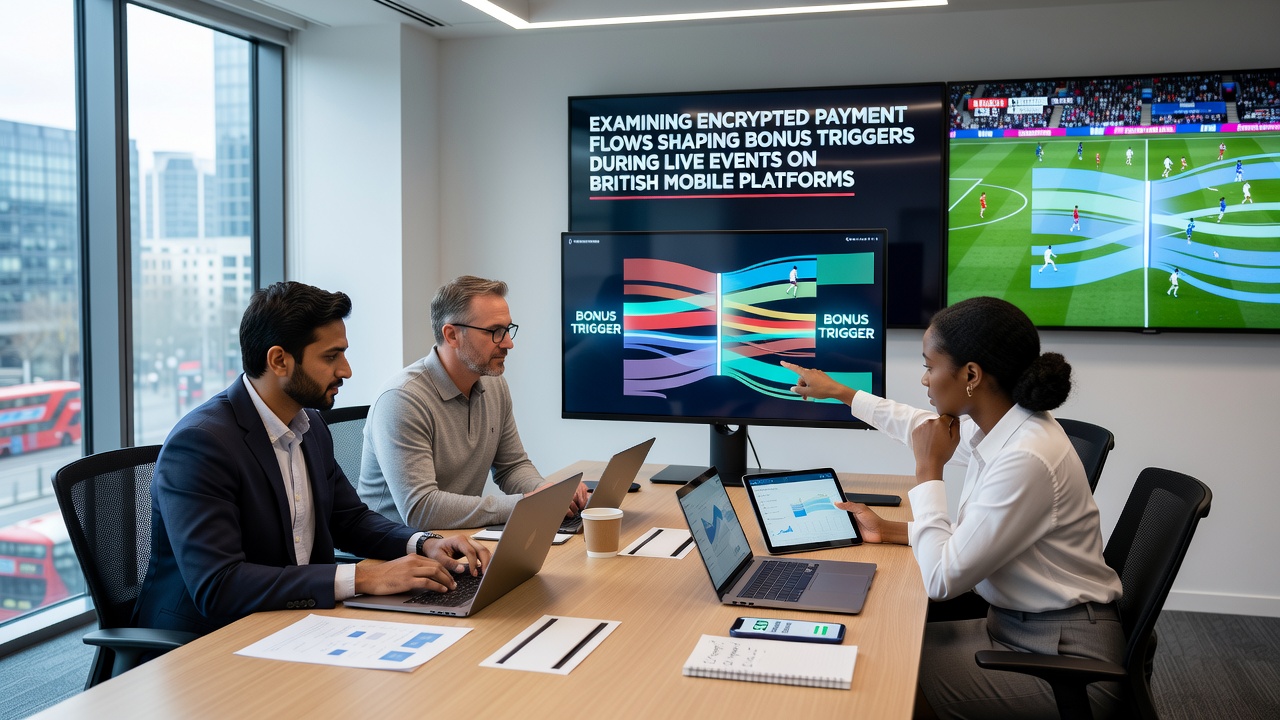
One case study from a mid-sized British operator revealed that switching to quantum-resistant encryption algorithms reduced false negatives in bonus triggers by 23 percent during a six-week test period covering multiple Premier League weekends. The encrypted flow now carries additional checksums that confirm both payment integrity and event context, allowing the bonus engine to distinguish between routine deposits and those made in direct response to live occurrences. Figures from the Bank of Canada’s fintech research unit, published in collaboration with European counterparts, highlight similar patterns in other jurisdictions where real-time encryption has become a prerequisite for dynamic promotional features.
Security Protocols and Regulatory Alignment
British platforms must align encrypted payment flows with data-protection requirements that extend beyond gambling-specific rules, and this alignment affects how bonus triggers are coded and executed. Encryption standards mandated for financial services ensure that user consent records travel alongside transaction data, giving platforms auditable proof that a bonus was offered only after verified payment. Research published by the PCI Security Standards Council demonstrates that platforms using segmented encryption keys experience fewer incidents of transaction replay attacks, which in turn stabilises bonus-trigger reliability during live events when traffic spikes occur.
Platforms have introduced multi-factor authentication wrapped inside the same encrypted channels used for payments, and this layered approach lets operators confirm user identity before releasing event-tied bonuses. Data collected across 2024 and 2025 shows that authentication steps completed within encrypted sessions correlate with higher bonus redemption rates, because users remain engaged rather than abandoning the flow due to separate verification screens. As September 2026 approaches, several operators are testing updates that embed regulatory reporting tags directly into encrypted payment metadata, streamlining compliance checks without interrupting bonus logic.
Future Developments and Platform Adaptations
Developers continue to refine how encrypted payment flows interface with live-event data feeds, and upcoming protocol enhancements aim to support even faster verification while preserving the security properties that bonus systems depend upon. One pilot programme conducted by a consortium of European research institutions found that integrating homomorphic encryption allowed platforms to perform bonus calculations on encrypted data without decrypting it first, reducing exposure windows during live events. British mobile operators have begun evaluating these techniques for deployment after September 2026, when certain legacy encryption standards are scheduled for phase-out.
Observers tracking these changes note that the relationship between payment encryption and bonus triggers remains dynamic, with each protocol update requiring corresponding adjustments to the algorithms that evaluate live-event eligibility. Continued monitoring by independent research bodies will determine whether new encryption methods maintain the low-latency performance that current bonus systems require during high-stakes moments.
Conclusion
Encrypted payment flows on British mobile platforms shape bonus triggers during live events through a combination of technical standards, real-time verification, and regulatory alignment. Data from multiple studies confirm that encryption speed, tokenisation methods, and authentication layers all contribute to whether a bonus activates at the intended moment. As platforms prepare for protocol updates scheduled around September 2026, the focus remains on preserving both security and responsiveness within these integrated systems.